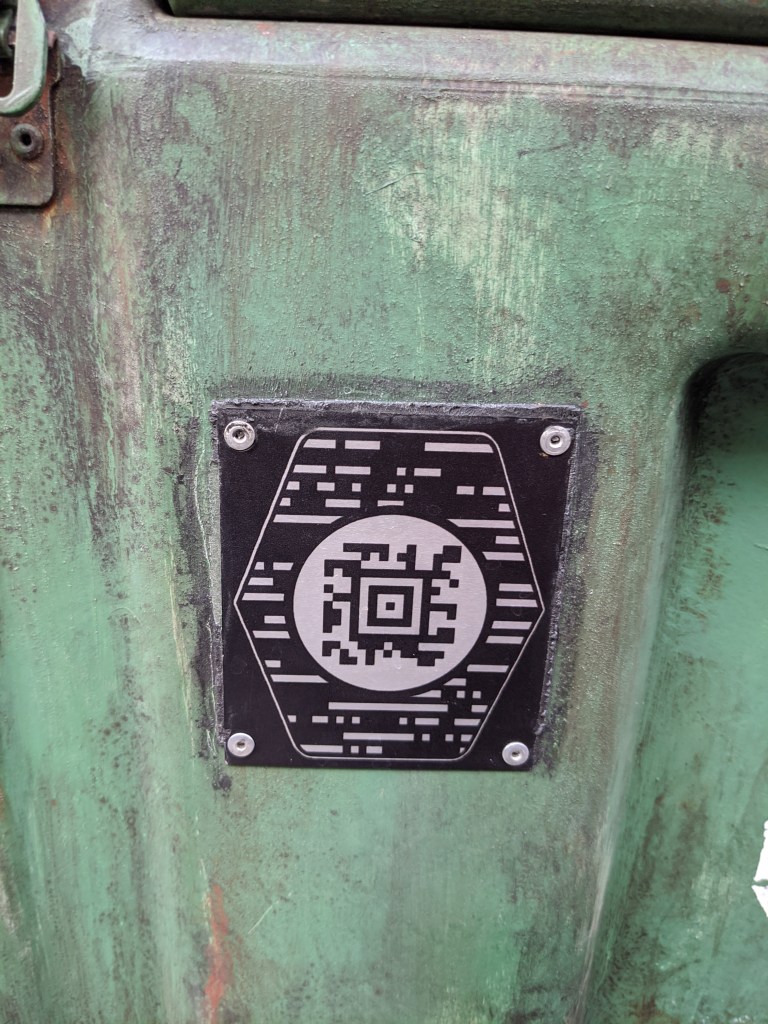
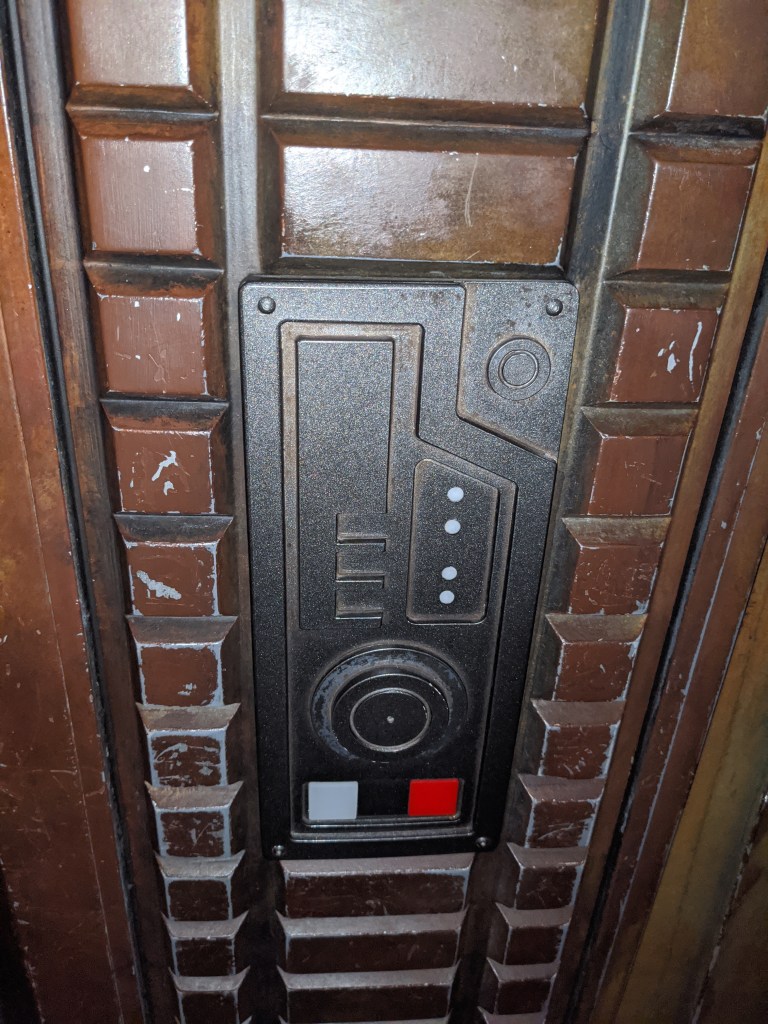
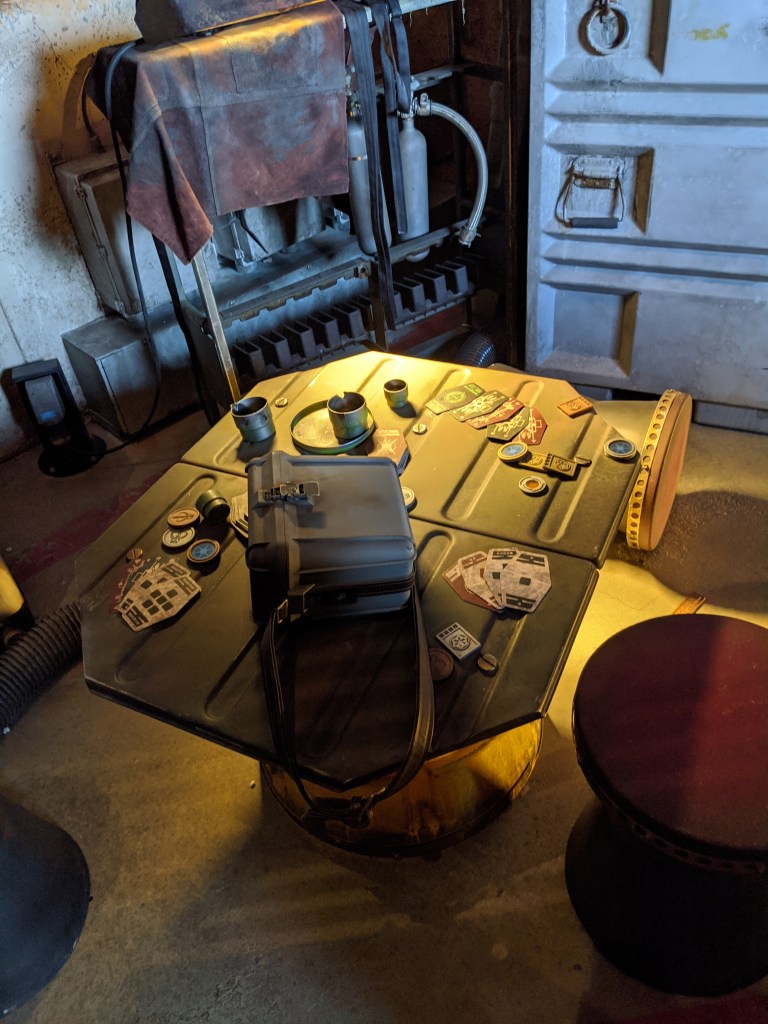
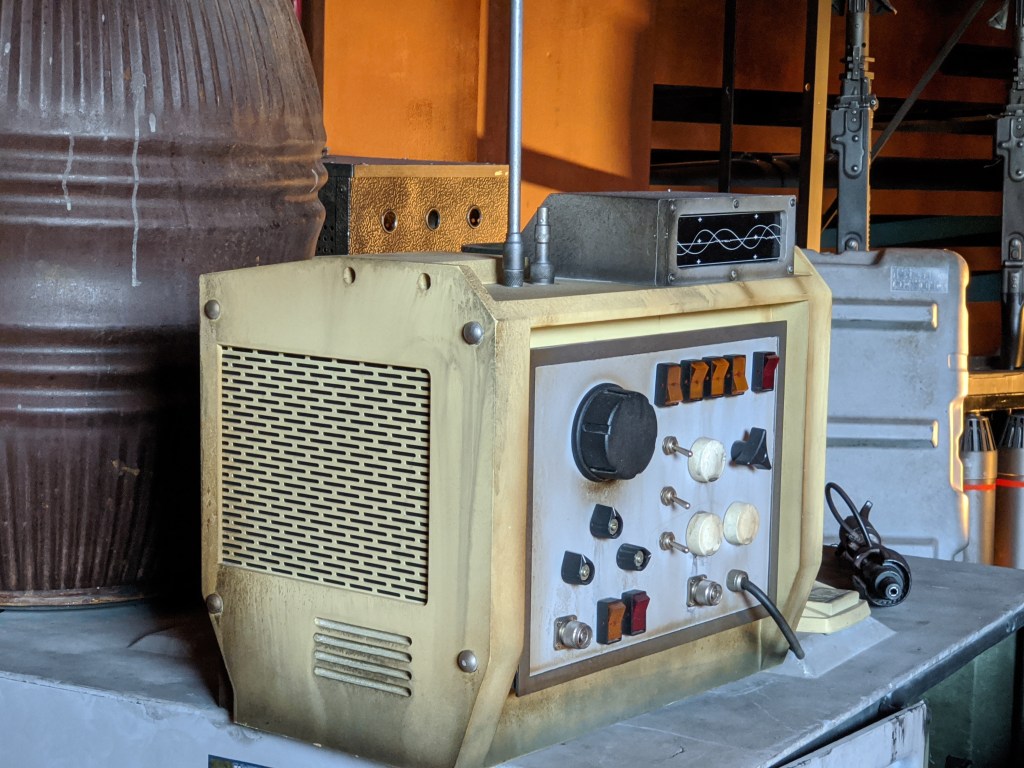
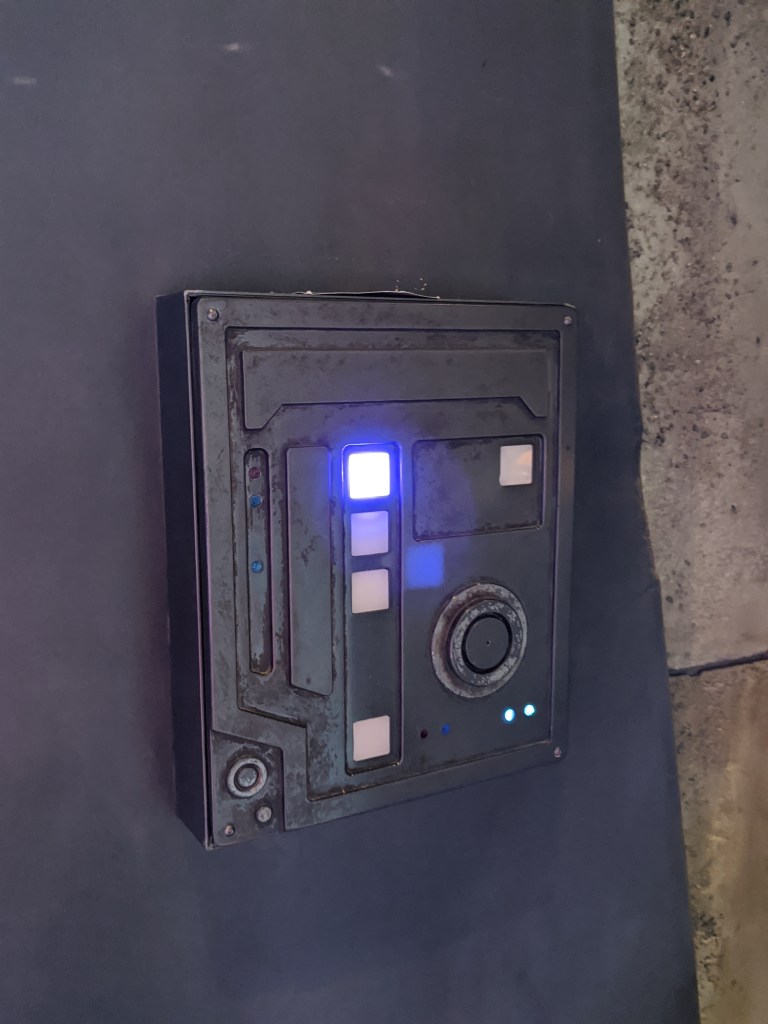
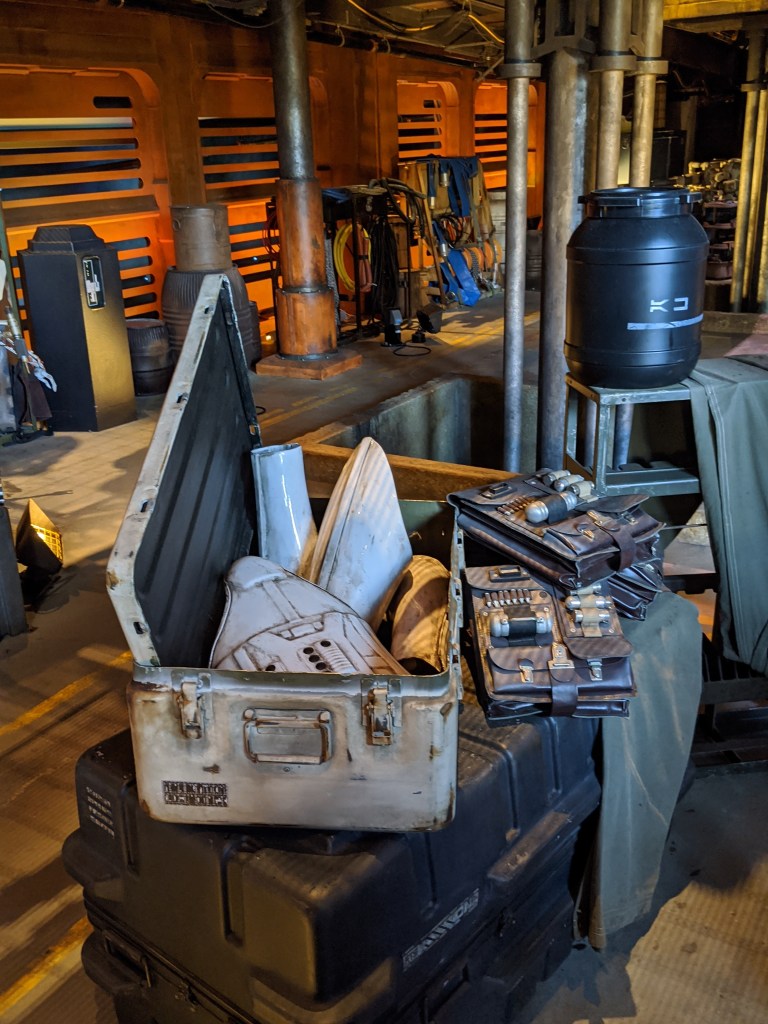
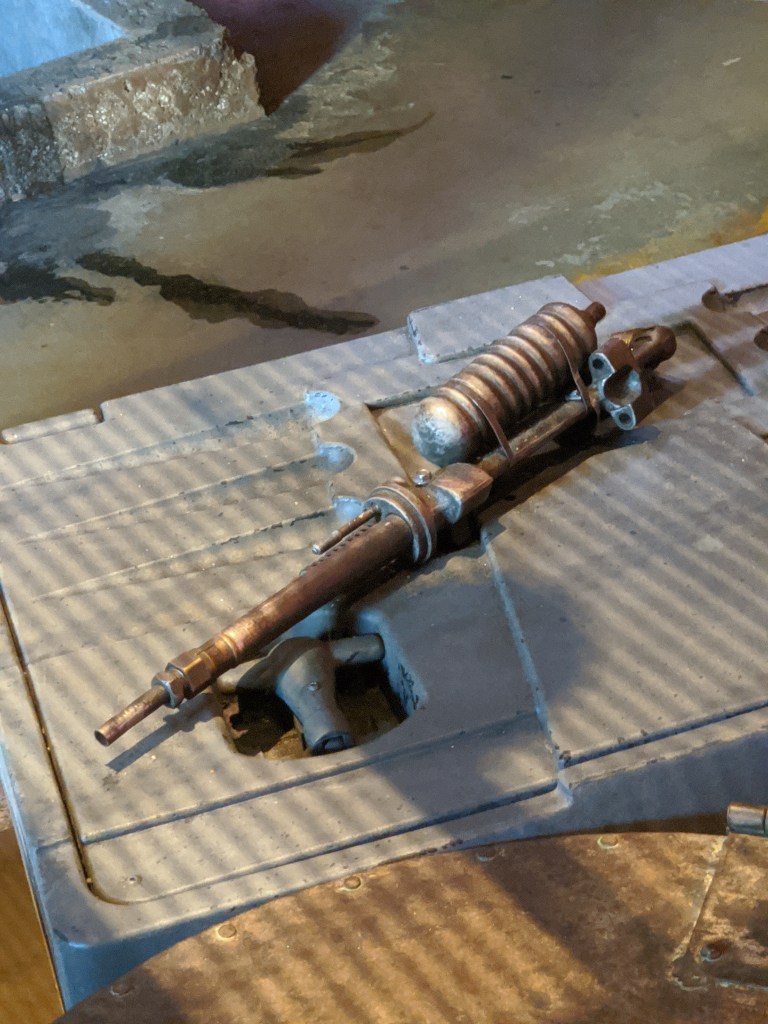
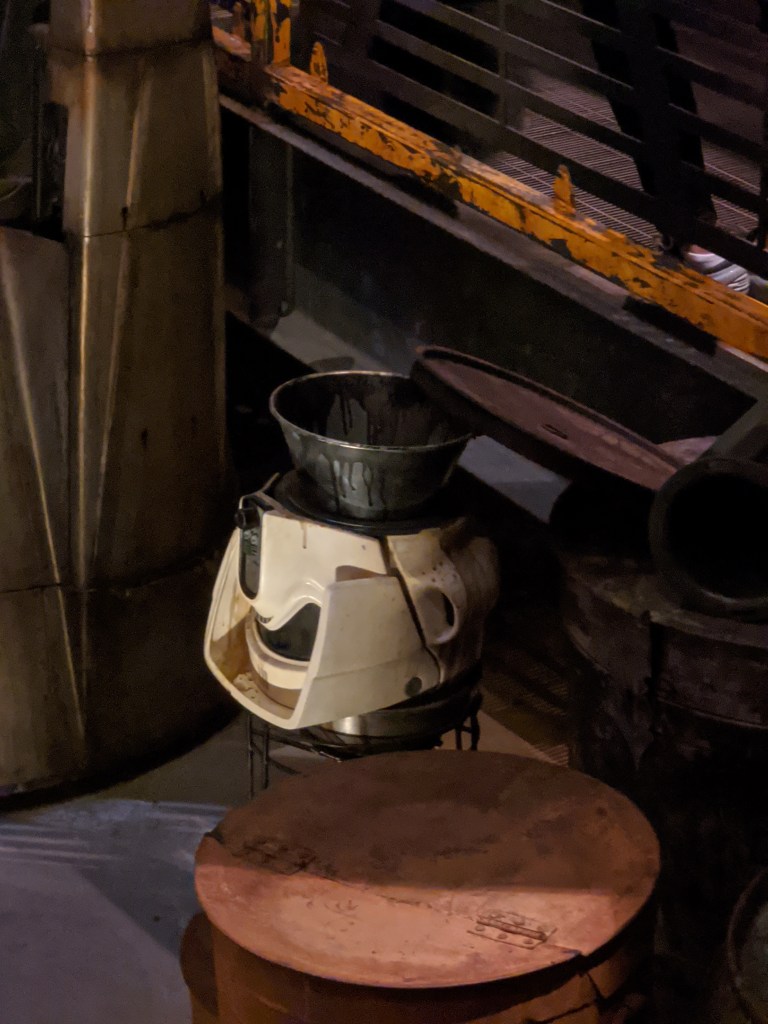
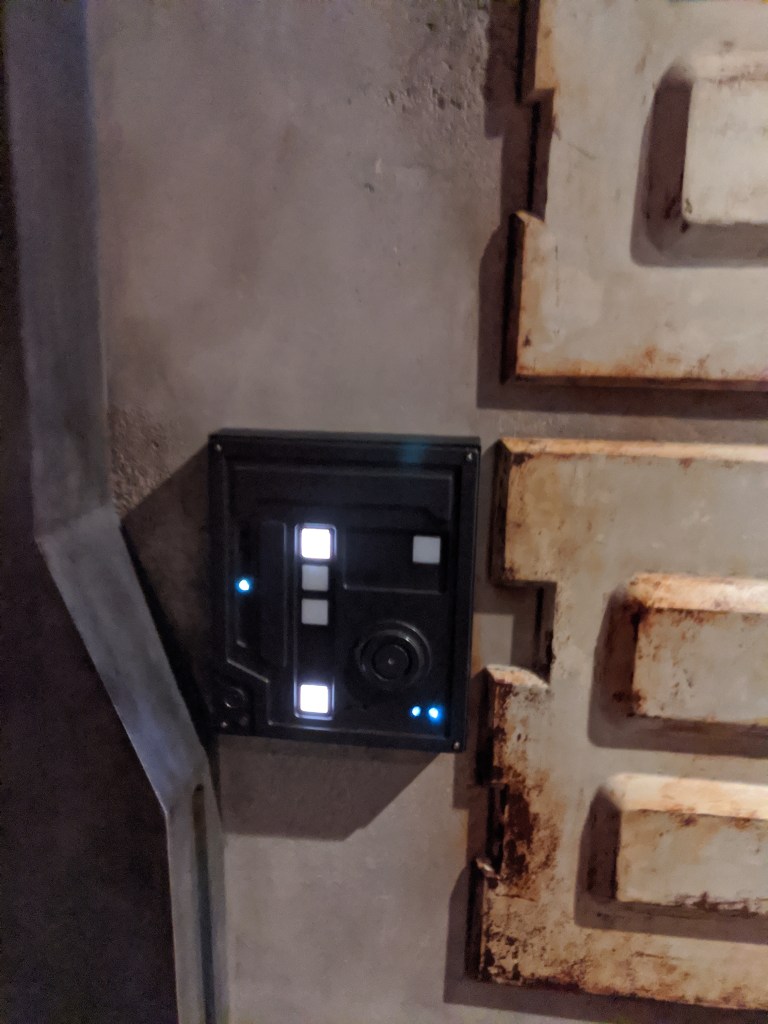
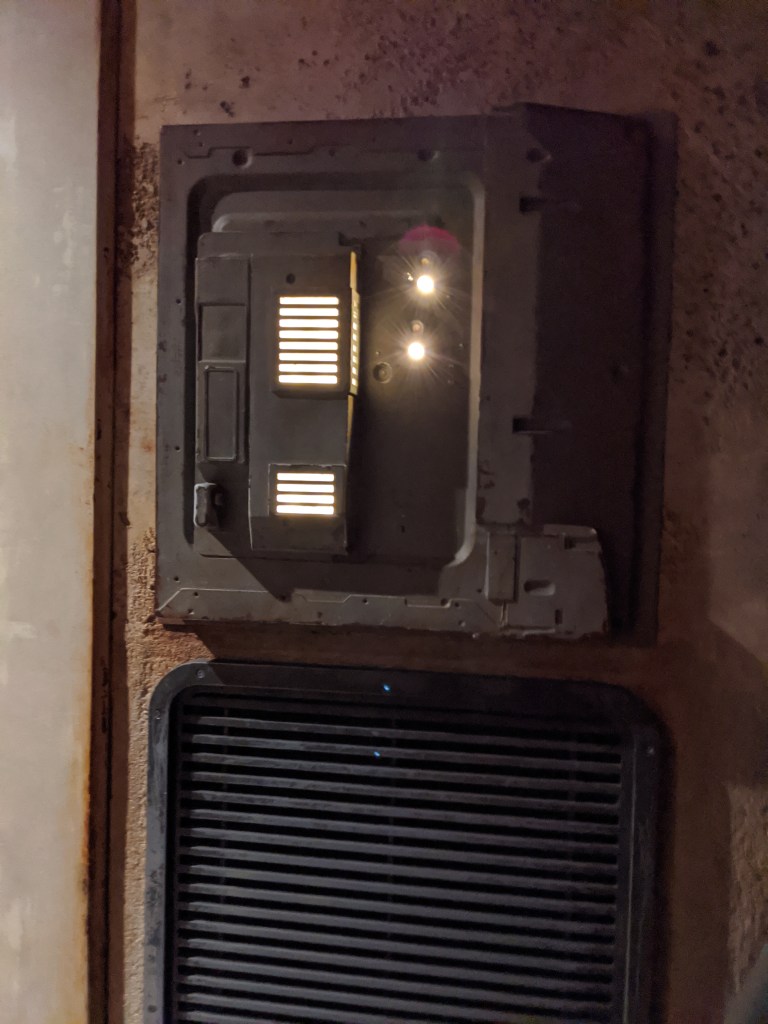
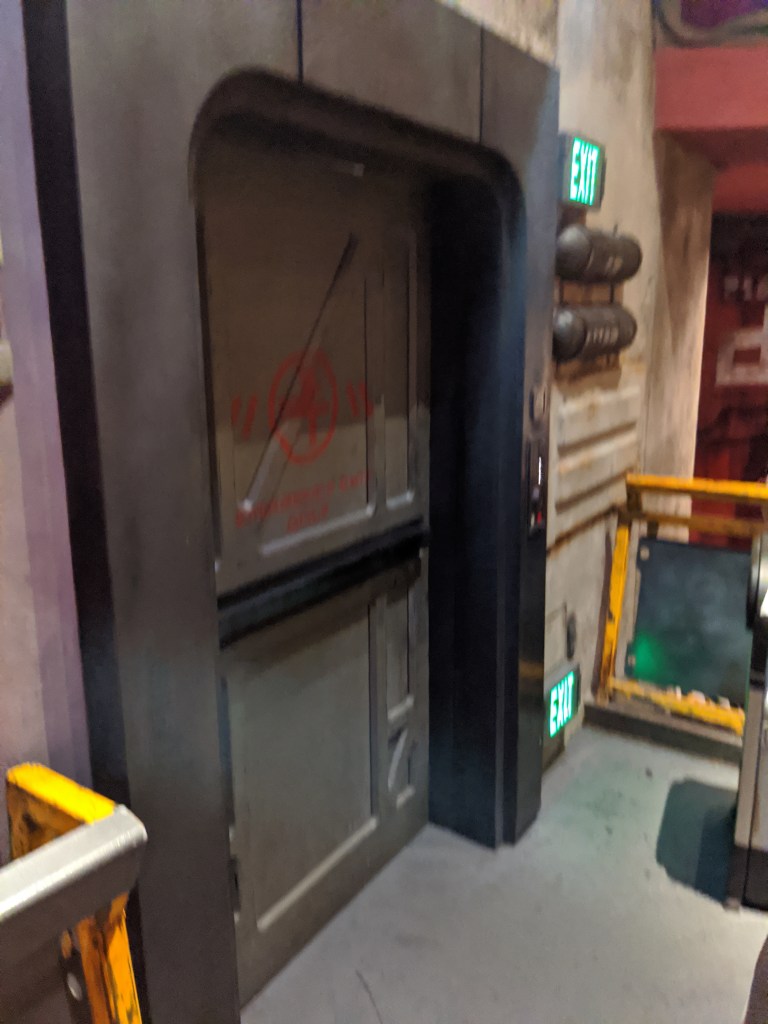
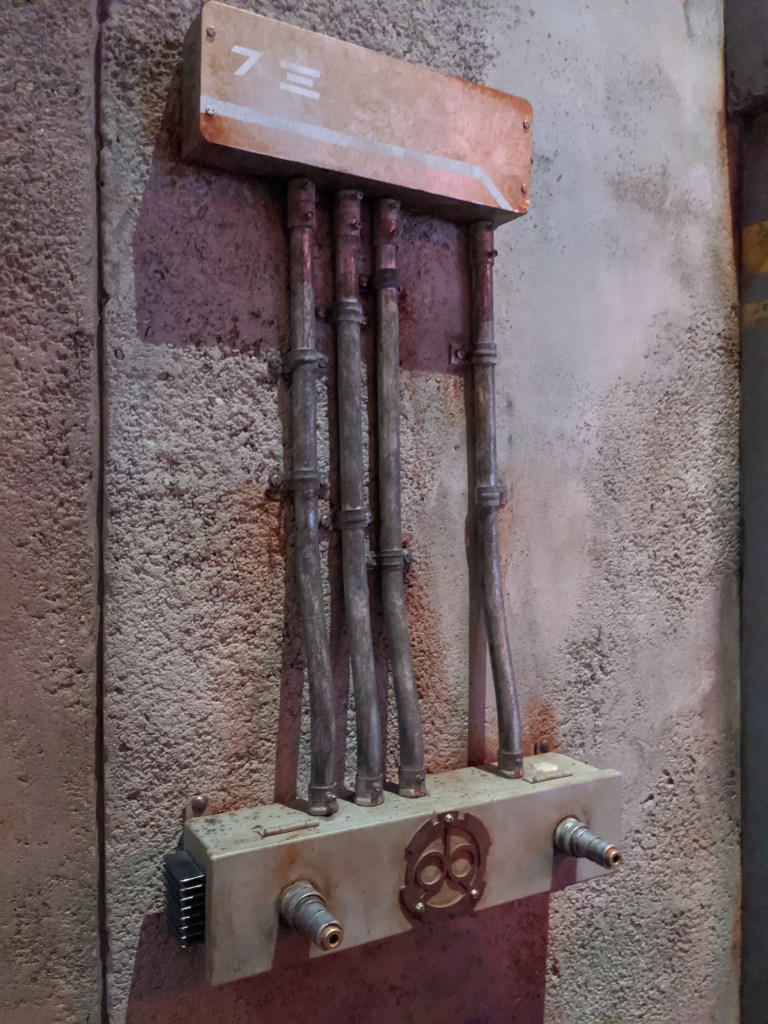
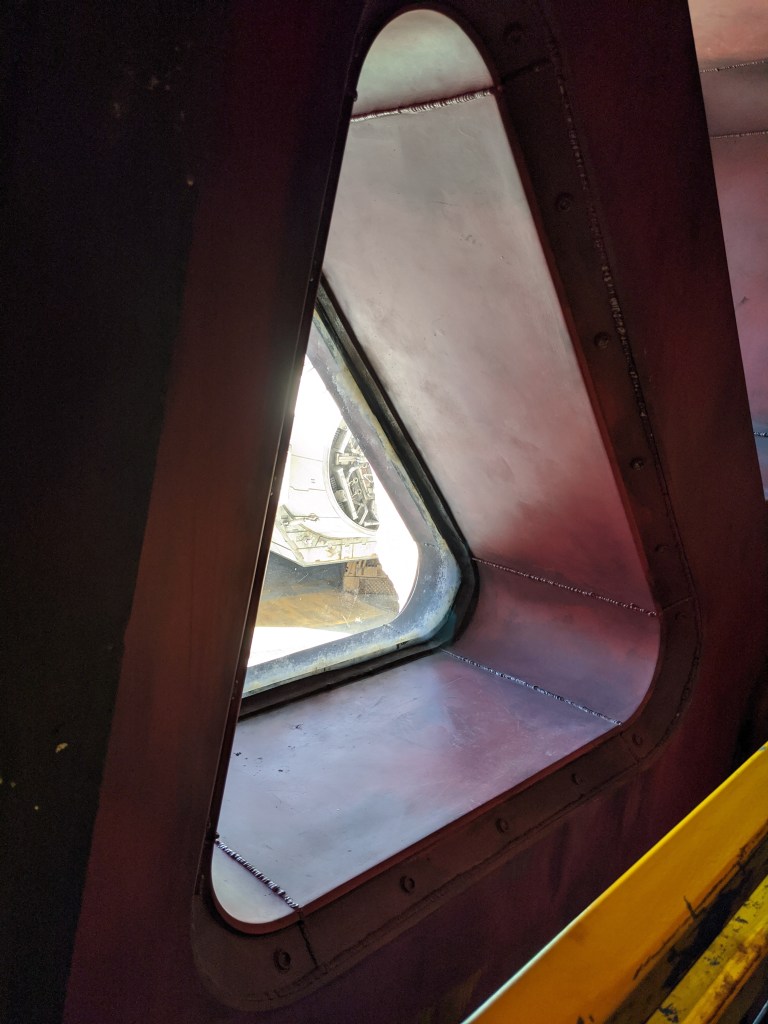
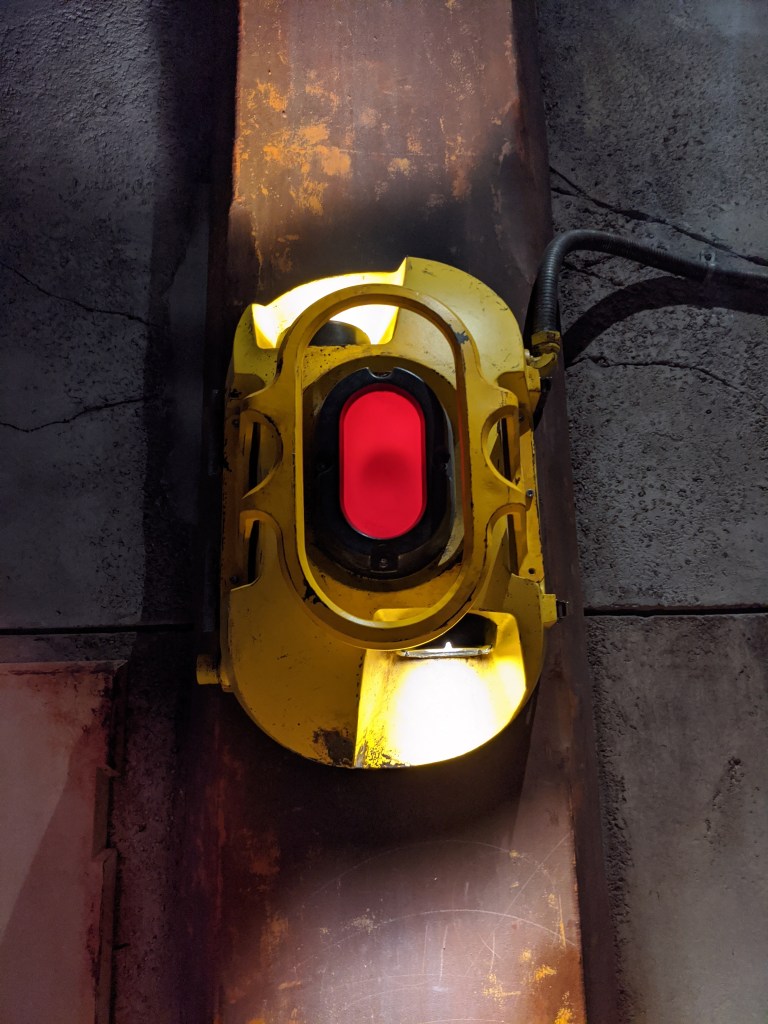
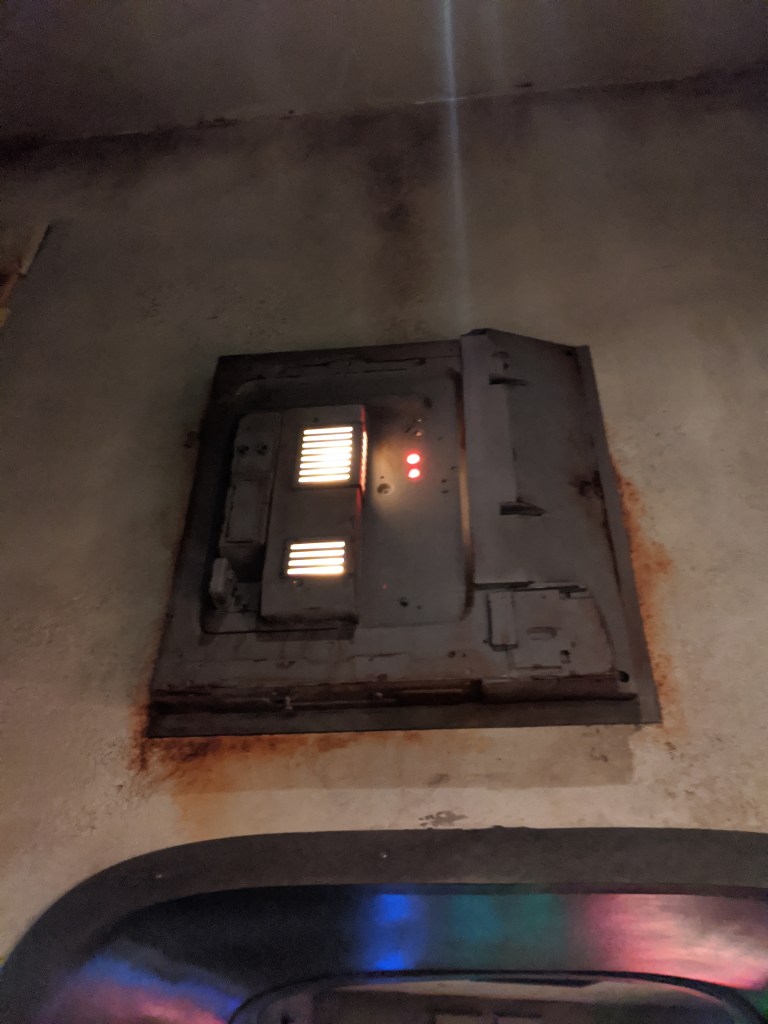
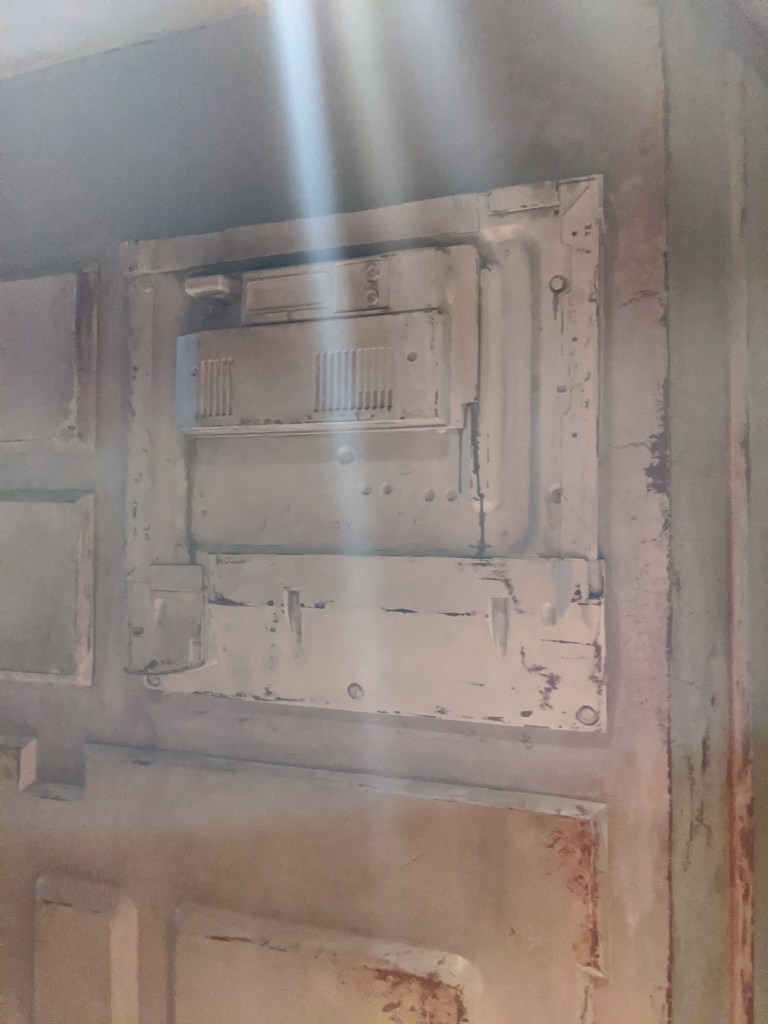
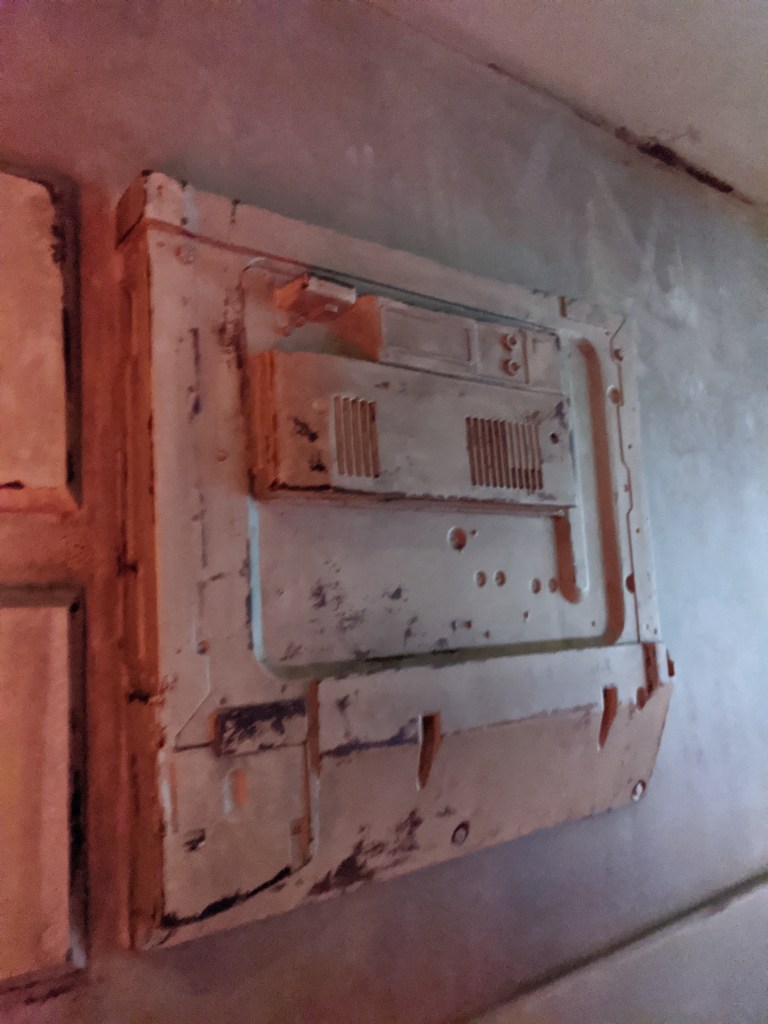
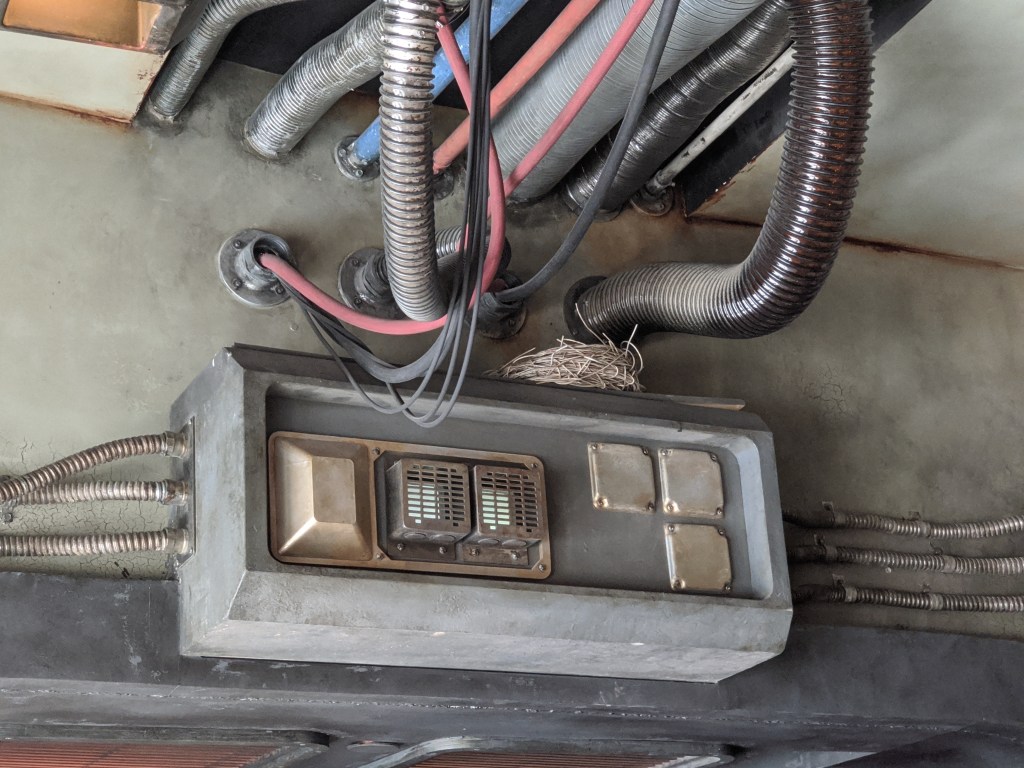
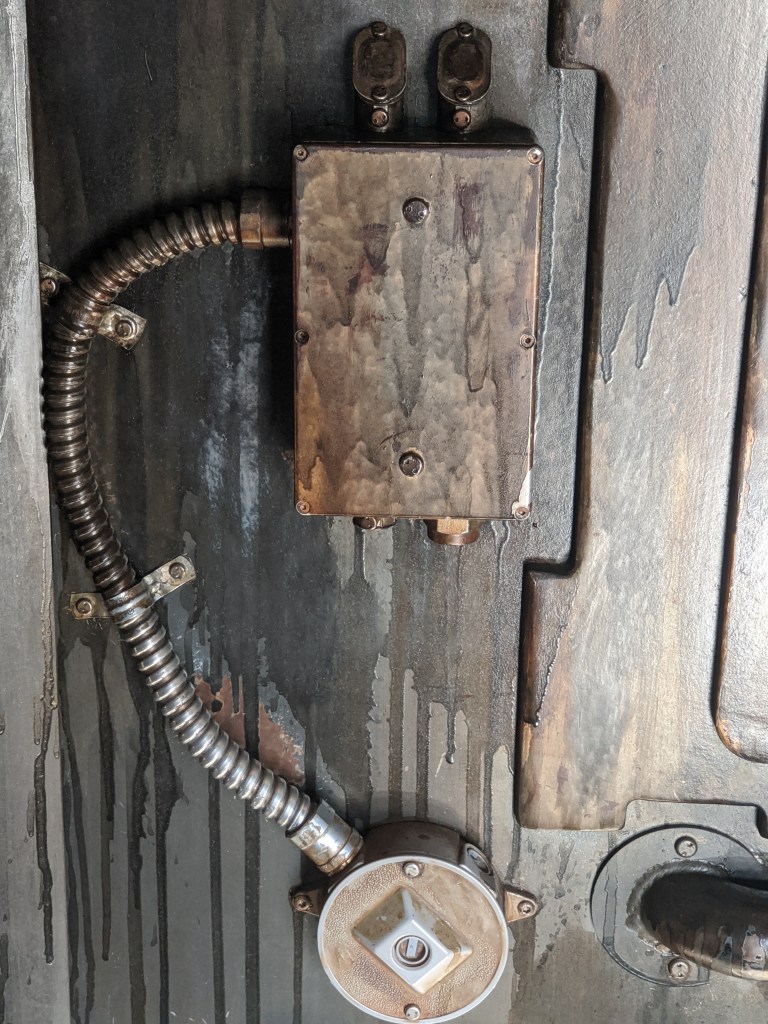
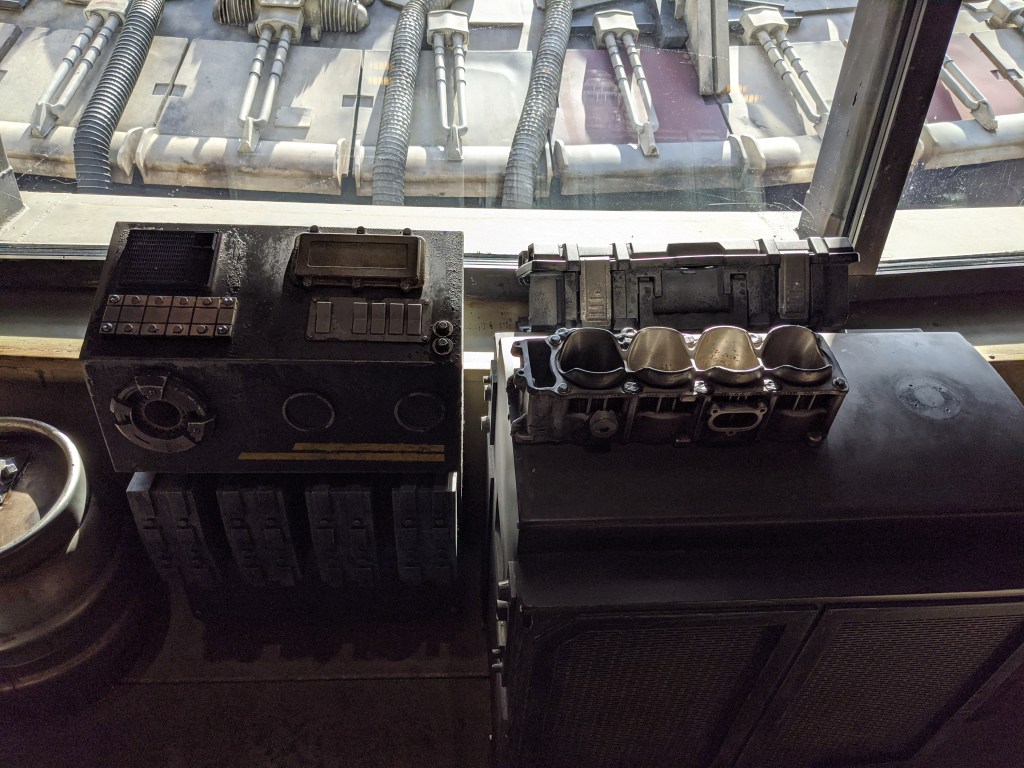
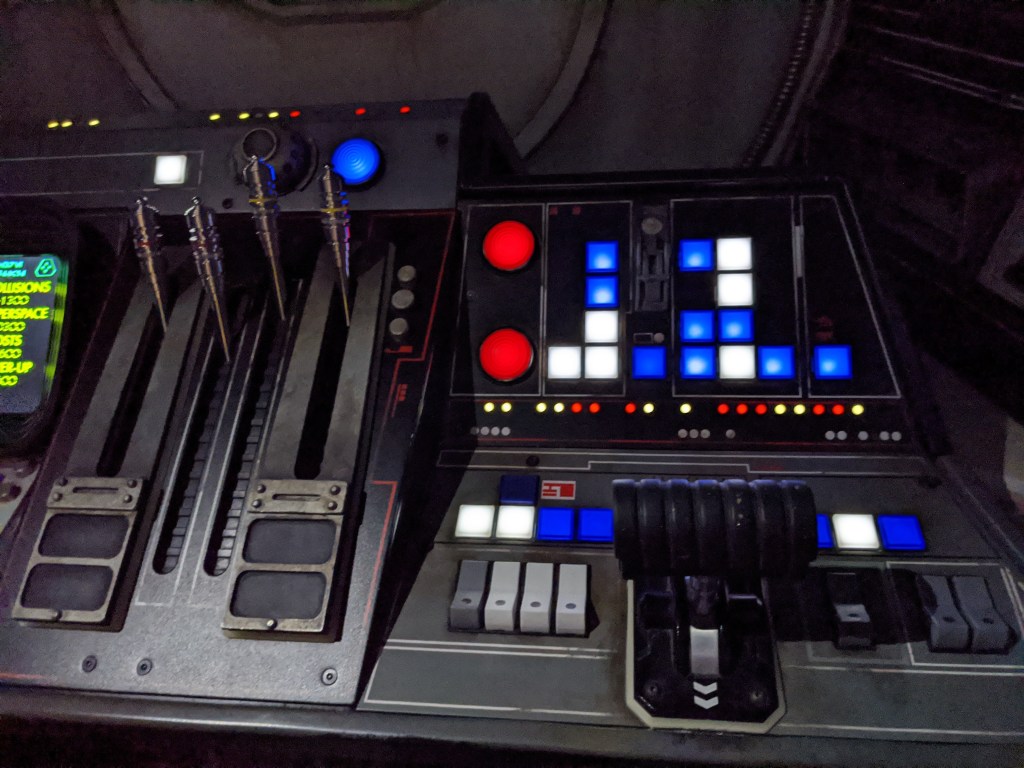
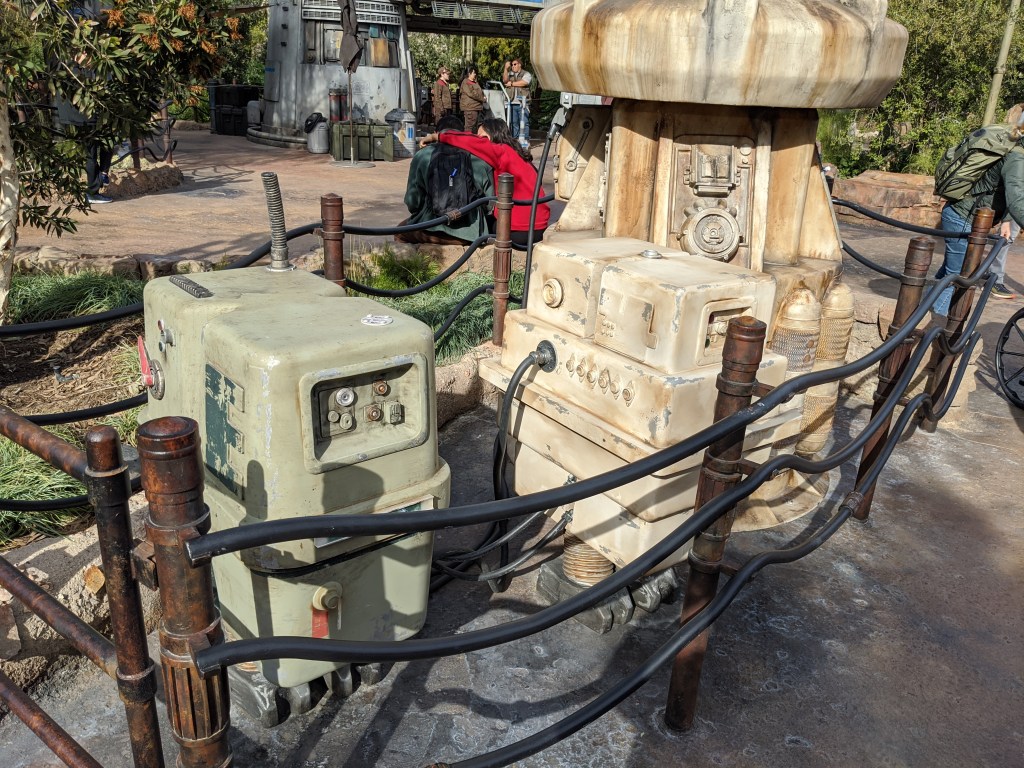
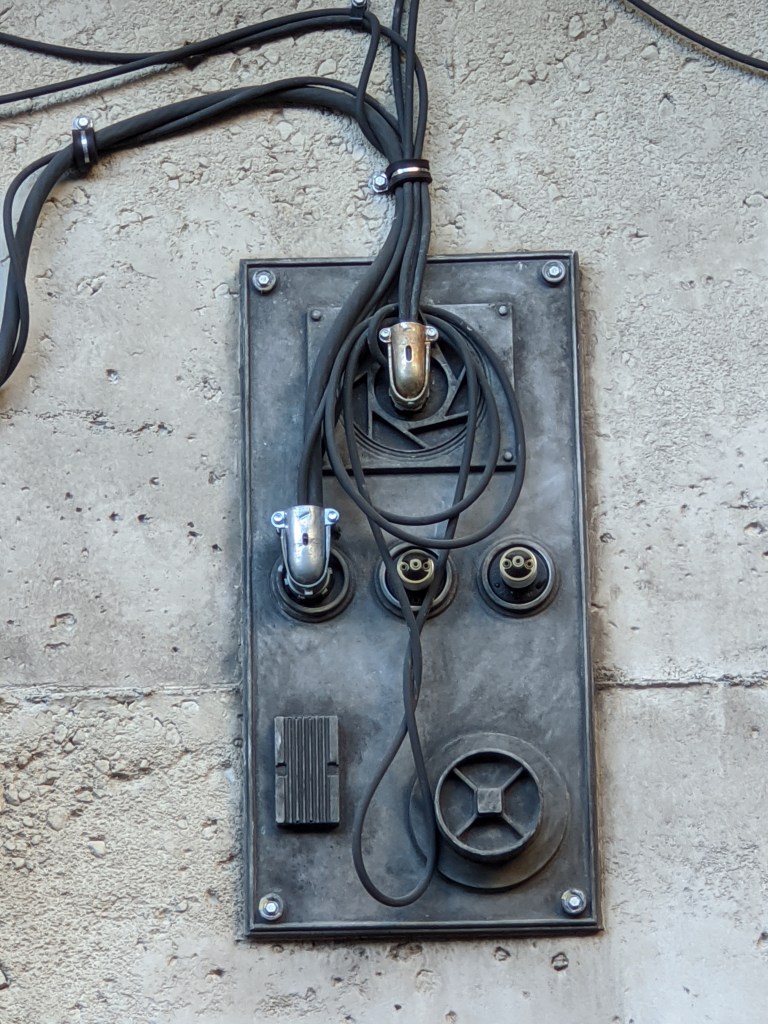
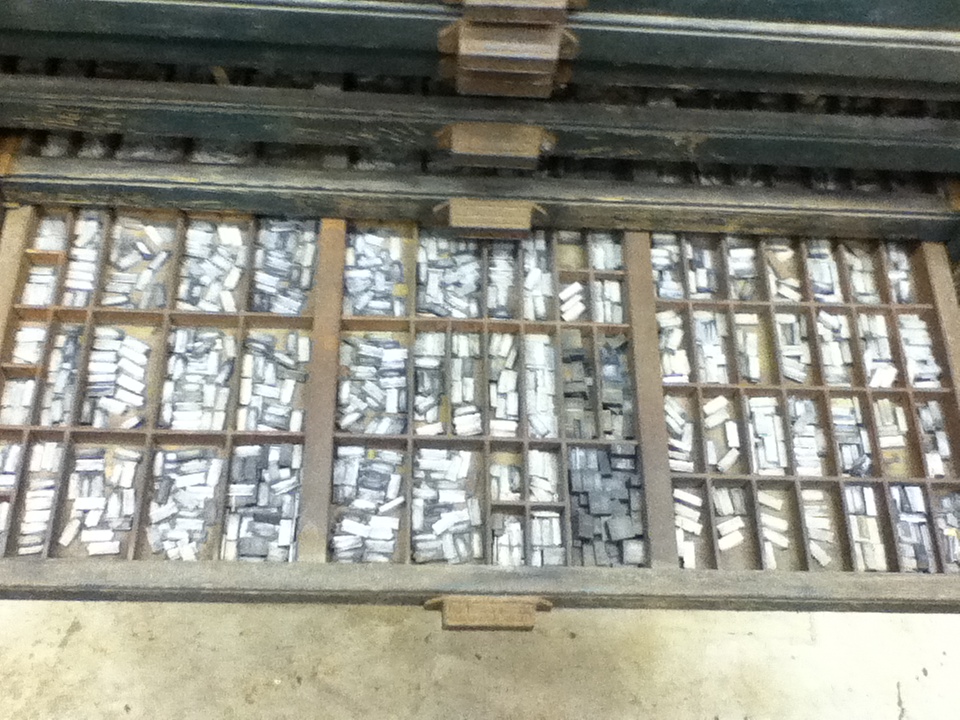
Here’s a bunch of photos I took last week at Star Wars Galaxy’s Edge – Black Spire Outpost in Disneyland. I thought they may be useful for anyone trying to build a similar thematic structure, either for dressing up a home theater room, or just to add some spice to a family room.
Howdy! Welcome to the first weekly electronics tutorial — I’m going to be aiming to do this out front of my house every Friday for students walking home from Donegal Intermediate School or folks visiting our Little Free Library to check out!
Some variety of power supply — I’m using a rechargeable 18650 Lithium Ion battery as that’s what I’ve got lying around, but you could just as easily use 3 AA batteries in a holder like this one from Amazon that costs $7.99 for 4
Hot glue gun
A small container you’ve pulled from your recycling bin
Water (food dye optional for fun coloring)
A plastic baggie (to hold your batteries and wires to keep them nice and dry)
First thing we’re going to do is to take our container that will become our fountain, and punch a small hole in the side of it, just above the bottom. This will be what we’re going to feed our wires from the pump out of, so that the pump can be submerged!
Next, we’re going to attach the small length of tubing to the pump (this is what’s going to squirt water up in the air), and use our hot glue gun to attach the base of the pump to the inside base of our container. Thread the wires through the hole we made in the container (or just let them drape over the side if you’d rather), and attach them to the wires from our power supply. No switches today!
Add water, and see it pump! It’ll run for a while until your batteries die off, then you’ll need to recharge or replace them. In future projects, we’ll learn to integrate cheap solar panels into our projects so they can keep running indefinitely!
Curious how water pumps work? It’s kinda like a fan in your home! A motor spins a propeller that then gets forced out and up a hose!
In a stew pot / dutch oven, over medium-low heat, add the chopped onion, half the olive oil, and ¼ cup water. Cook until the wayer has evaporated and the onion is soft and translucent, about 10 minutes.
To the onions, add the garlic and tomatoes. Cook, stirring, until the sauce is thick, about 20 minutes.
Rinse the beef, drain, pat dry. Season lightly with salt and pepper. Heat the remaining olive oil in a skillet until hot. Brown the beef over high heat, add to the tomato sauce.
Add the red wine to the skillet to deglaze, and bring to a boil while scraping up any fond from the bottom of the pan. Add the pearled onions and sugar, and cook over medium-high heat, stirring, until the wine is reduced to a glaze and the onions are lightly browned, about 5 minutes.
Add 3 tablespoons of the red wine vinegar to the onions, and bring to a boil.
Add the spice bag and the onions and wine sauce to the beef and tomato sauce mixture.
I’d expected initially to make it on the D1 Mini platform, but recently sorted out some of my prior problems with using a raw ESP8266, so I’ve since migrated to that. Plus it’s significantly more power efficient as it doesn’t need to run a usb-to-serial adapter as well, which can be an unnecessary drain on the D1 Mini.
I really enjoy designing circuit boards. There’s a certain artistry to them, an efficiency of space that really constrains the options and results in some results that I really take pride in. Let me know what you think!
Continuing my prior remarks on building Internet of Things devices that connect to WordPress, I delivered a talk at WordCamp Lancaster earlier this month on that topic.
All the code from the examples is up on my GitHub page here:
The smarter solution is probably to find a way to run a ground wire through the walls of half hour house and up two floors to go from your junction box to the switch in question.
My solution? Build my own.
The simplest way to cobble together a motion detector light would be something like a PIR sensor attached to a power supply and a relay to safely control mains voltage, but that has no way to manually activate or deactivate the light.
To add a bit more granular control to the system, I decided to build it on top of an Arduino base, so I could add more controls. For space constraints (as well as the fact that I had a spare one lying about), I used a Wemos D1 Mini — easily programmed via the Arduino IDE, and if I ever want to expand its capabilities, I can easily connect it to my home wifi and attach it to Blynk.
As an added bonus, I has a D1 Mini Relay Shield lying about as well. This made one less thing I needed to wire up, and could just plug it in. Add in a momentary switch for human input, and our circuit looks something like this:
(Note, that is the relay shield stacked on top of the D1 Mini, they can be hard to differentiate in the mockup)
After some tinkering, here is my code to get the system working:
This file contains hidden or bidirectional Unicode text that may be interpreted or compiled differently than what appears below. To review, open the file in an editor that reveals hidden Unicode characters. Learn more about bidirectional Unicode characters
The code could probably be simplified by removing the logging messages, but I like to leave them there for further reference and debugging down the road.
So now that we’ve got the components gathered, it’s time to look at how we put it in! As luck would have it, the electrical box that the previous switch used was a double gang box, so I had a bit of room to work with. I picked up a solid 2-gang cover at my local Home Depot, and drilled two holes in it for the switch and the PIR sensor.
Now, all is right with the world, but we still have to actually power it! Through some creative wiring, we’ve thus far managed to avoid having to splice any wires together (by using both the 5v and 3v3 outs on the board for wiring to different peripherals, and only the PIR needed a ground wire) and to continue that trend, we’re going to be powering it through the D1 Mini’s USB port, and to power that USB port via a 6″ USB cable, connected to a genuine Apple iPhone power adapter — they’re tiny, and very well built transformers (just don’t mess around with cheap knockoffs, they’re terrifyingly dangerous — especially if it’s going to be mounted inside a wall!).
To connect the 120v AC to 5v DC transformer (the aforementioned power adapter) to mains power, my plan is to connect it to home wiring via two crimp terminals and some heat-shrink tubing around that as additional insulation to avoid any exposed metal, as there isn’t an outlet in the box to plug the adapter into.
Well, that’s the plan. As I said — far trickier than just running a ground wire across half my house, but hopefully more fun and I’ve learned a lot in the process. I’m expecting to hook it up in the next couple days, and will update here when it’s live and functioning!
One of the best things about my college experience at Grove City was the one unique, delectable item on the menu that — to date — I’ve never seen quite duplicated elsewhere. So for any other Grovers out there that miss the taste of the Chicken Tender Wrap, here’s what I’ve come up with as a pretty darn close approximation.
Credit: Angela Starosta and Matt Schiavone for help piecing back together the recipe.
Ingredients
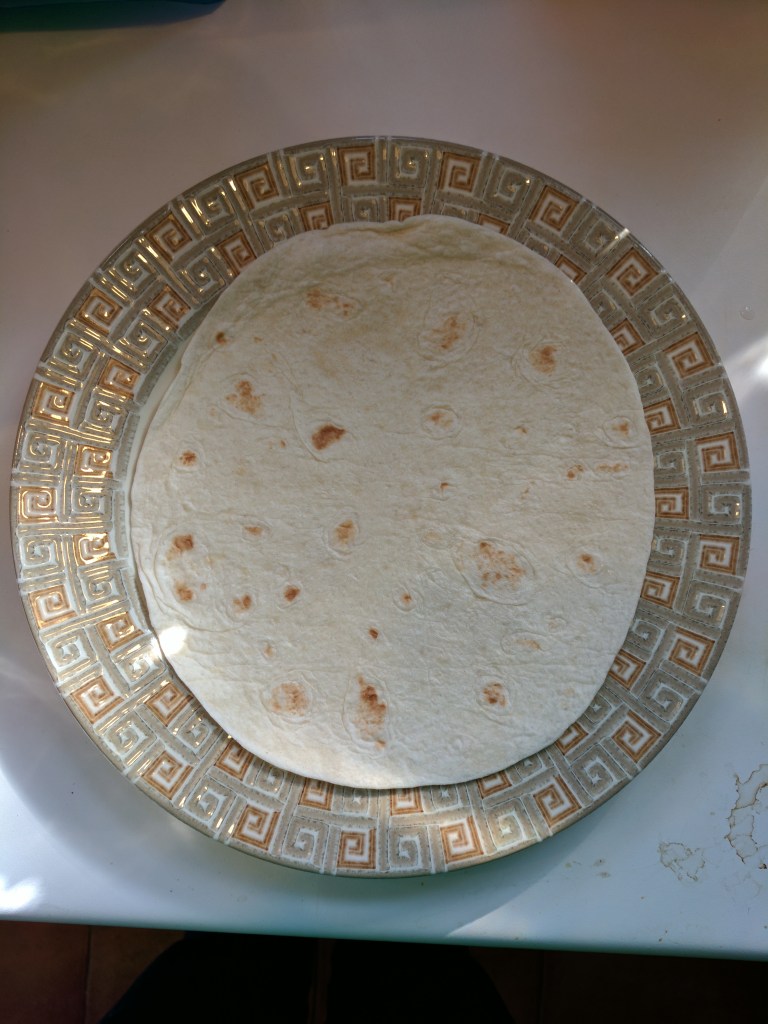
1 large burrito-size tortilla
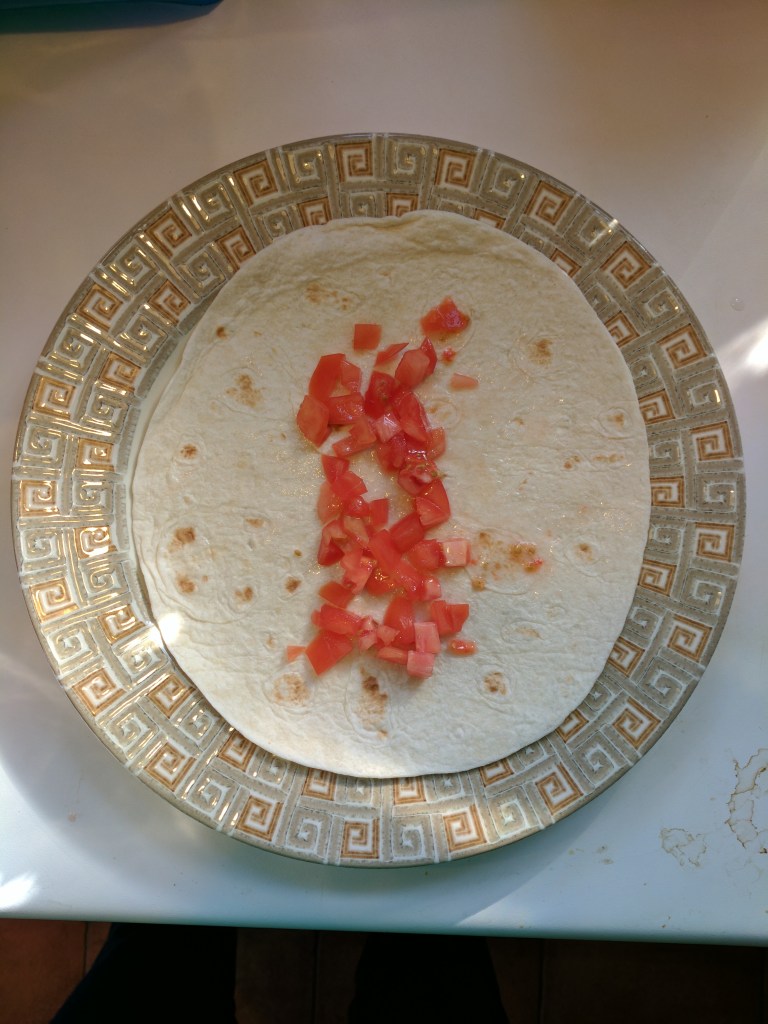
Diced plum tomatoes
Chopped iceberg lettuce
2 Chicken Tenders
Ranch dressing
Hot sauce (optional)
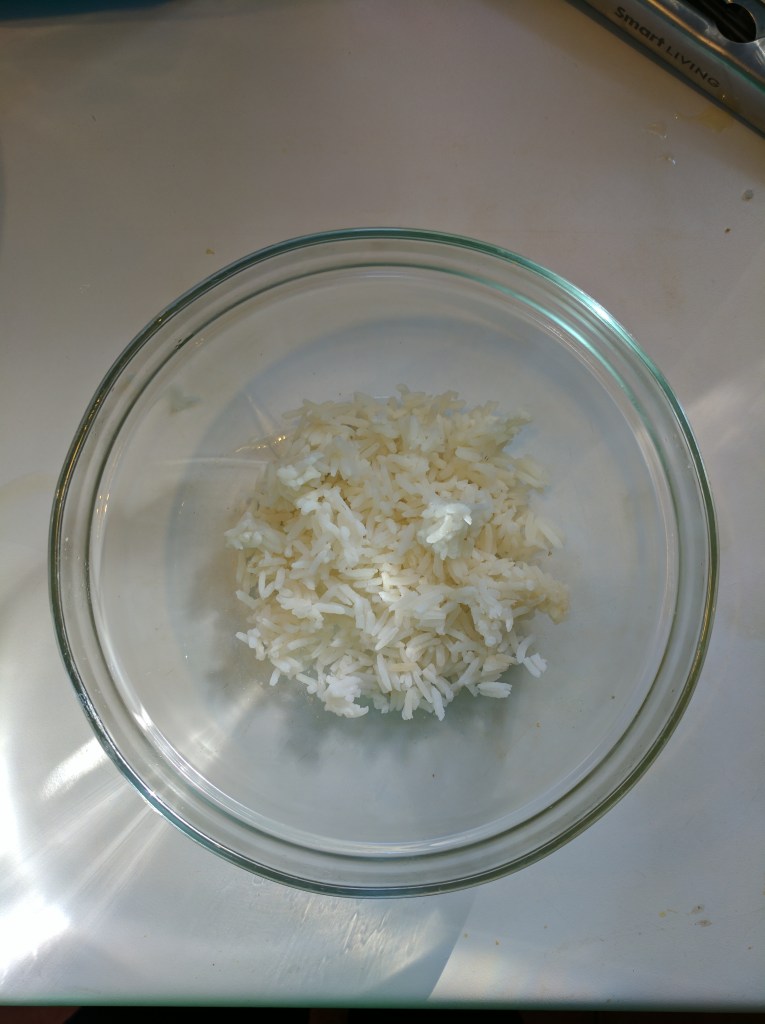
White rice
Shredded mild cheddar cheese
Directions
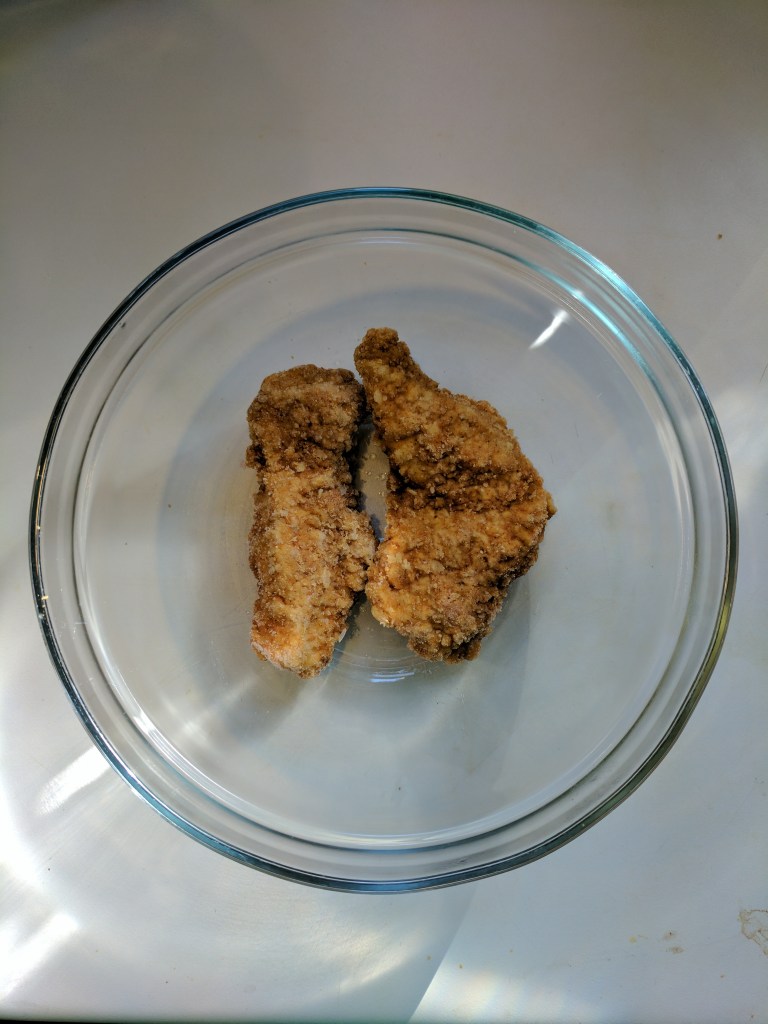
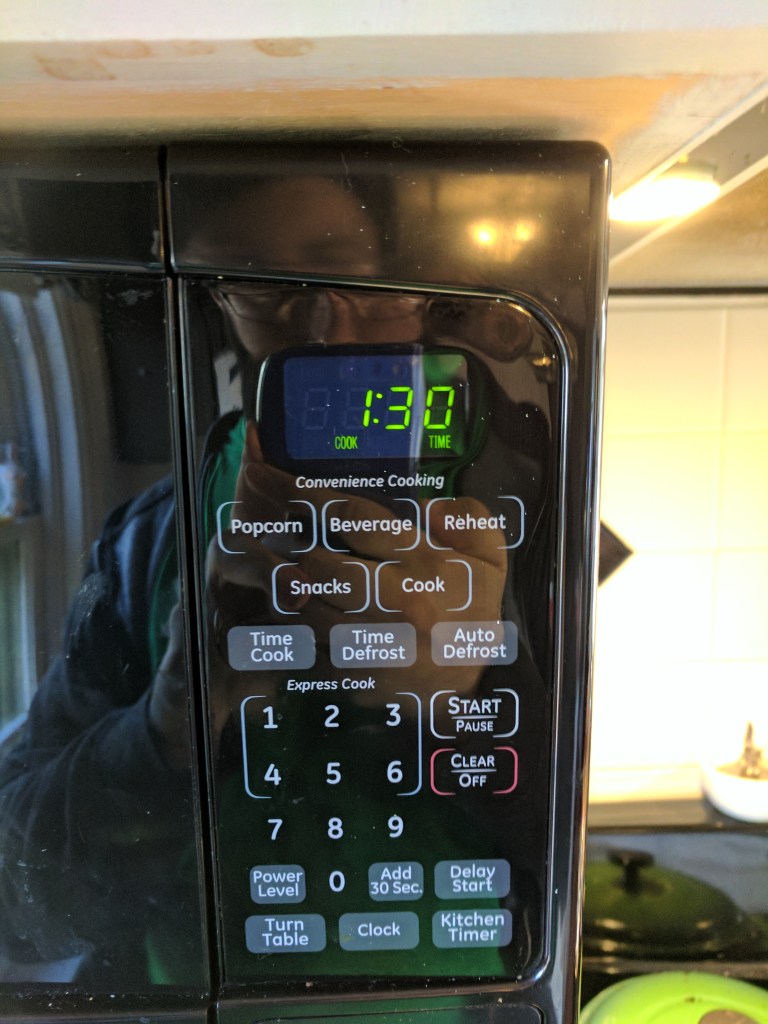
Put two frozen chicken tenders in a microwave safe bowl, and microwave for 1m30.
Put the tortilla wrap you’re using on a plate. Spread some diced tomatoes and chopped lettuce as a base.
Take the (now hot) chicken out of the microwave, and put it in some hot oil in a skillet over medium heat for about 30-45 seconds per side.
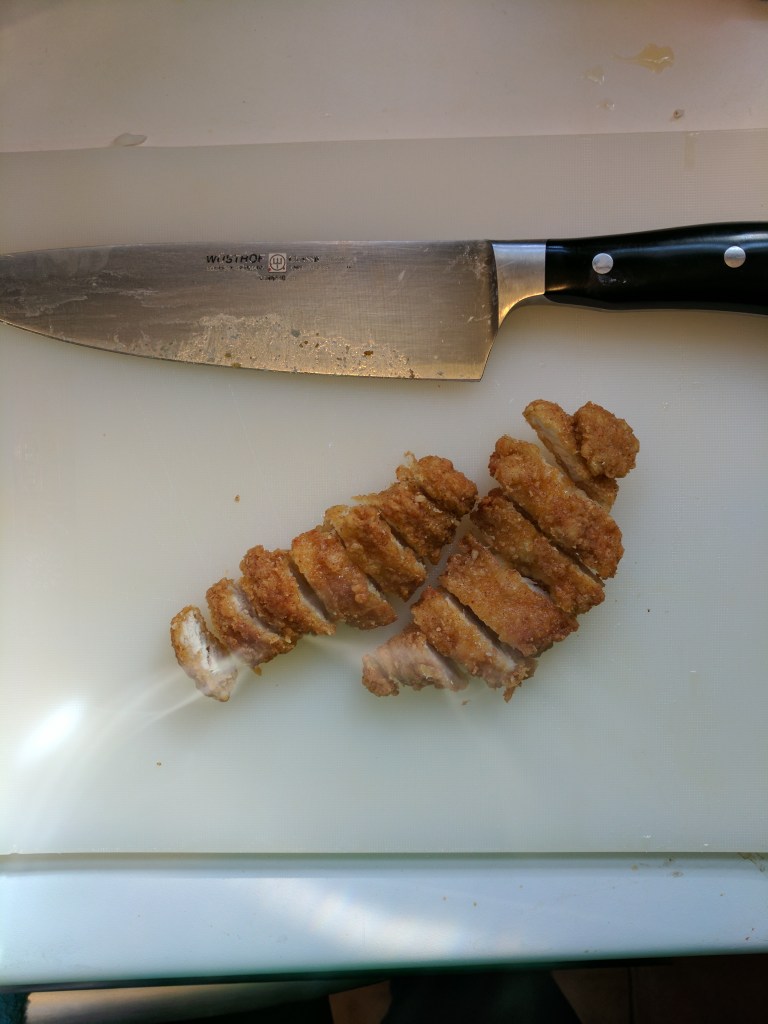
Take the chicken tenders out of the oil, put them on a cutting board, and chop them into maybe ½” chunks.
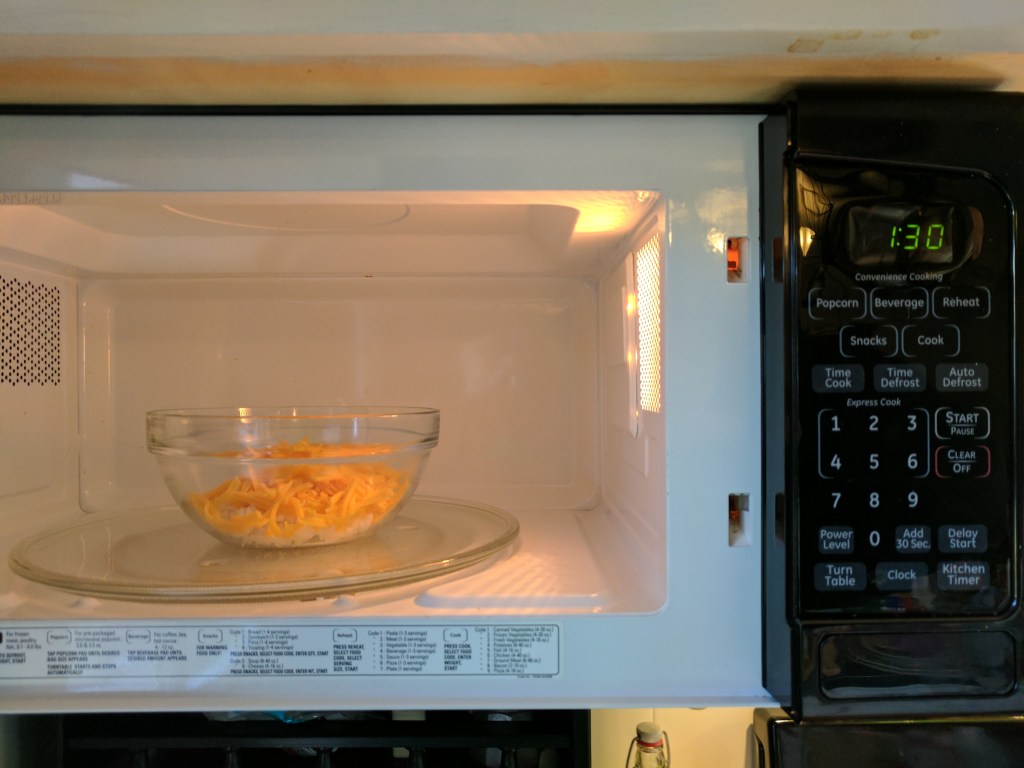
In the same microwave safe bowl, put approximately equal quantities of white rice, and then shredded cheddar cheese in, and microwave for 1m30.
Spread the chicken on top of the lettuce on the wrap. Add your desired quantities of ranch dressing and hot sauce.
Take the melted cheese and rice out of the microwave and combine it with a spoon until it’s mixed. Add this on top of the chicken.
Wrap, folding the edges, and slice it on a bias. Enjoy!
Disclaimer: You’ll want a bigger tortilla than I’m using in the pictures. I wound up having way too much stuff in it, and had to split it into two wraps after trying to wrap it.























 George Stephanis